Ocras in Thailand and the Andaman sea, Similan Killer Whales
Are there killer whales in Thailand?

They are impressive, magestic and mysterious, referred to as killer whales, orcas are the largest members of the dolphin family and are known for their intellect, power and hunting behaviors. They occur in all oceans around the world but Andaman Sea found between India and Thailand is outstanding. Orcas has been spotted during diving daytrip to Similan islands or Surin islands, rarely but a few encounters are recorded.
In the Andaman Sea, Orcas reside in complicated social structures that enable them to hunt cooperatively as a group called pods, targeting large prey like dolphins, sharks and whales. Unlike other orcas from different parts of the world, Andaman Sea orcas have a special hunting technique. They do not chase their prey but instead use team work to drive fish schools into tight balls that makes it easier to catch them.
The social structure of Orcas in the Andaman Sea differs from those of other populations. For example, orcas in this region maintain long-term bonds with other individuals within their pod and appear to have strong family and community ties. Some female orcas in this area stay with their mothers all their lives creating matrilineal pods.
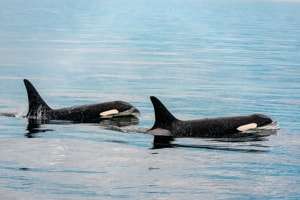 Orcas in the Andaman Sea are also known for their cultural diversity. Different pods have been observed to have unique dialects, hunting strategies, and behaviors. This suggests that the Orcas in this region have developed their own cultural traditions, passed down from generation to generation.
Despite their remarkable abilities and unique cultural traits, Orcas in the Andaman Sea face a number of threats. One of the biggest challenges they face is the decline of their prey populations, as overfishing and habitat destruction have reduced the availability of fish and other marine mammals. Additionally, Orcas are vulnerable to pollutants and plastic waste in the ocean, which can harm their health and reduce their reproductive success.
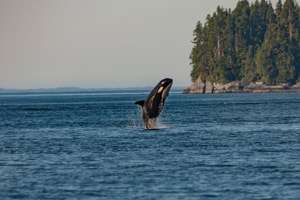 Another major threat to Orcas in the Andaman Sea is the increasing number of tourist boats and other vessels in the region. These boats can disrupt the Orcas’ hunting and social behavior, and can also pose a physical threat to the animals. In addition, some boats use underwater noise to attract marine mammals, which can cause stress and harm to the Orcas.
To help protect Orcas and other marine mammals in the Andaman Sea, it is important for governments, local communities, and tourists to work together to reduce the impact of human activities on these magnificent animals. Some simple steps that can be taken include reducing the amount of plastic waste in the ocean, reducing the use of underwater noise-generating devices, and avoiding disturbance of marine mammals by tourist boats.
In conclusion, Orcas in the Andaman Sea are a remarkable and unique population of marine mammals that are facing increasing threats from human activities. They can sometimes be spotted around the Similan islands and Surin islands.
To ensure their survival and protect the diversity of their cultural traditions, it is essential that we take action to reduce our impact on these animals and their habitat. With the right conservation measures in place, we can help protect Orcas and other marine mammals for future generations to enjoy and appreciate.
How big are killer whales?
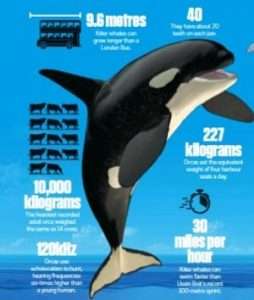 Orcas, also known as killer whales, are the largest dolphins and among the largest marine mammals in the world. On average, male orcas grow to be around 20-26 feet (6-8 meters) in length and weigh around 6-10 tons (5.4-9 metric tonnes). Female orcas are slightly smaller, growing to an average length of 16-23 feet (5-7 meters) and weighing around 4-6 tons (3.6-5.4 metric tonnes).
The largest recorded orca was a male that measured 32 feet (9.75 meters) and weighed over 22 tons (20 metric tonnes). The dorsal fin of a mature male orca can grow to be over 6 feet (1.8 meters) tall, making them easily recognizable in the wild. Despite their size and reputation as apex predators, orcas are highly intelligent and social animals, and play a crucial role in maintaining the balance of marine ecosystems.
Orcas physiology
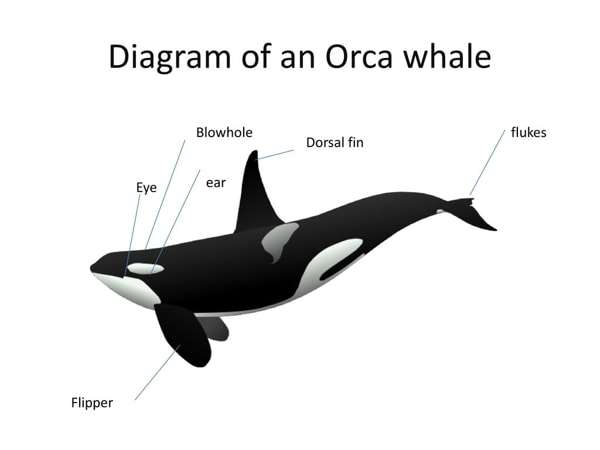
Orcas, also known as killer whales, are the largest dolphins and belong to the family Delphinidae. They have a sleek, black and white body with a distinctive white eye patch and a large dorsal fin. Orcas have a robust physique with a long, narrow and conical shaped head. Physiologically, they have:
A large and complex brain, one of the largest among marine mammals, that allows for high levels of intelligence and problem solving abilities.
A specialized respiratory system, with lungs instead of gills, that allows them to surface and breathe air.
A highly developed echolocation system, which helps them locate prey and navigate underwater.
A fatty layer, called blubber, that helps maintain body temperature, buoyancy and energy reserves.
A diverse diet, which varies depending on the region and population, but generally includes fish, squid, seals, and whales.
Orcas are apex predators and play a crucial role in maintaining the balance of marine ecosystems.
Are orcas dangerous?
It’s important to remember that orcas are wild animals and should be treated with respect and caution. Interactions with orcas should always be conducted under the supervision of trained professionals in safe and controlled environments. Swimming or interacting with wild orcas is not recommended and can be dangerous.
About The Author

Connect with Khao Lak Explorer on:




WhatsApp +66 611195733
Line khaolakexplorerdive
Viber +66 611195733
WeChat Khao-Lak-Explorer
#KhaoLakExplorer
@KhaoLakExplorer
©2026 Khao Lak Explorer
Created by Khao Lak Explorer